Betting Logos Disappear From Premier League Shirts as Ban Begins
From this season, no English top-flight club carries a gambling company's name across the chest of its match shirt — a first in nearly two decades. The betting industry has simply moved a few inches down the sleeve.
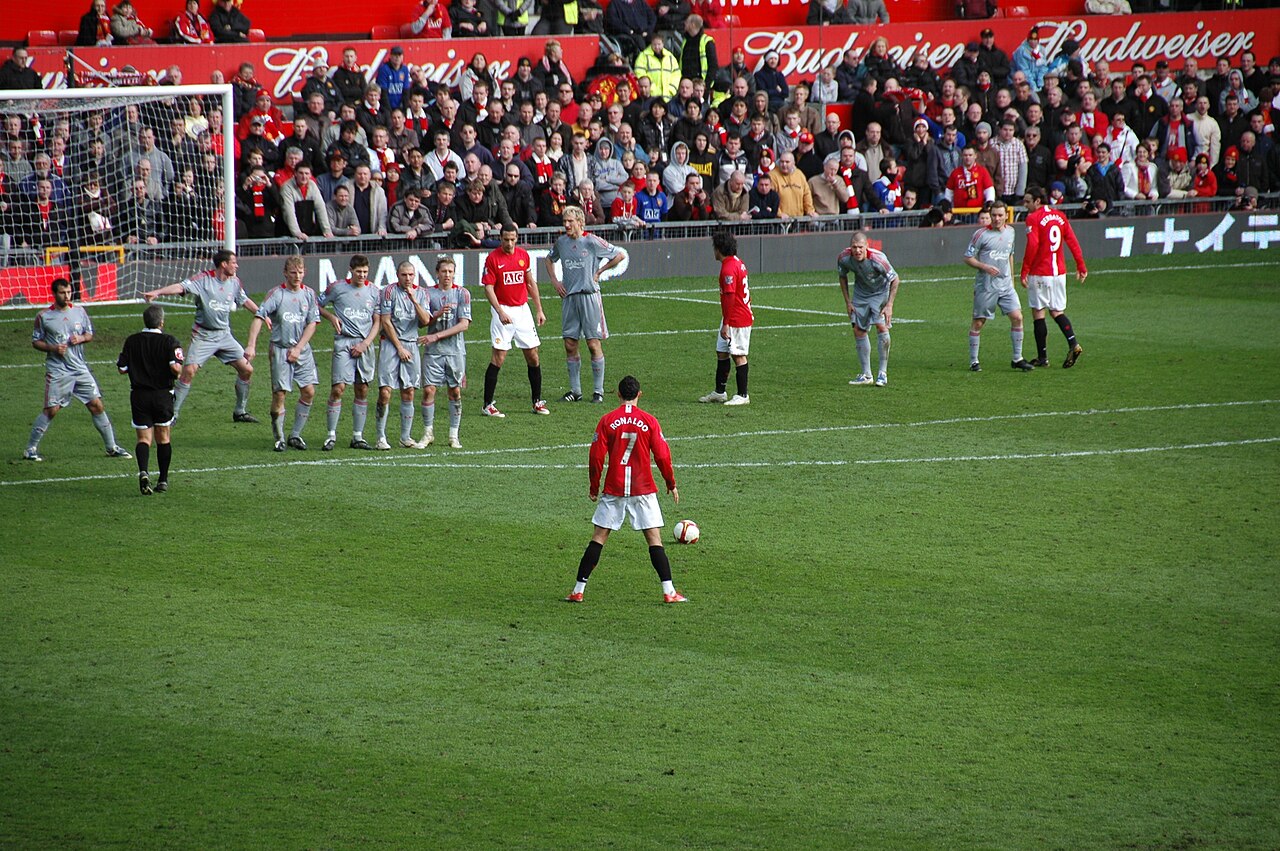
Last season, eleven of the twenty clubs in England's Premier League walked onto the pitch with the name of a betting company printed across the chest. This season, none do. The front-of-shirt gambling sponsorship ban took effect for the 2026-27 campaign, and the change is total: not one of those eleven logos survived into the new kits.
For a competition watched in roughly 190 countries, that is a significant piece of advertising real estate going dark. The front of a football shirt is the single most valuable surface in the sport — it appears in every match broadcast, every photograph, every replica jersey sold to a child. Losing it is the point of the rule.
A ban the clubs wrote themselves
The prohibition is not a law passed by Parliament. It is a collective commitment the twenty clubs made among themselves, agreed in 2023 with a long runway before it bit — long enough for existing contracts to expire rather than be torn up, and long enough for commercial departments to line up replacements. Clubs voting to restrict their own income is unusual, and it happened under sustained political pressure: British ministers had been reviewing gambling regulation for years, and football's dependence on betting money was the most visible example of an industry that critics argued had embedded itself into daily life.
The precedent everyone had in mind was tobacco. Cigarette advertising was driven out of sport decades ago without cigarettes themselves being outlawed, and the sponsorship ban is built on the same logic: sports betting remains legal and heavily used in Britain, but the argument is that a regulated product does not need to be fused to the thing people love watching. Roughly 0.3 to 1.3 percent of British adults are estimated to experience problem gambling, a compulsion that persists despite mounting financial and personal damage — and for someone trying to stop, a match broadcast saturated with betting brands is an unusually hostile environment.
Banks and airlines take the chest
The scramble to fill eleven suddenly empty shirt fronts reshuffled the league's commercial map. Finance is now the dominant category, with five clubs carrying a bank, payments firm or investment brand. Airlines are second with three. The remaining slots are spread thinly across technology, food and drink, human resources, software, insurance, telecoms and tourism — a mix that looks a lot more like the sponsorship profile of any other global entertainment property.
That variety is itself the story. For years the betting sector's willingness to outbid everyone else squeezed other industries out, particularly at clubs in the lower half of the table, where a gambling deal could be worth several times what a conventional consumer brand would pay. Those clubs were the most exposed to the ban, and it shows.
Three teams start the season with nothing on the front of the shirt at all. Sunderland and Nottingham Forest are both dealing with the direct consequences of the rule: they had to end profitable betting partnerships and have not yet closed replacement deals. An unsold shirt front is not a catastrophe — clubs sometimes run a season with a charity logo or their own academy branding — but it represents real money that will not arrive.
Chelsea's blank shirt is a different problem wearing the same clothes. The London club is entering a fourth consecutive season without a settled long-term front-of-shirt partner, a drought that predates the ban and stems from its own turbulent recent history of ownership changes and sanctions rather than from gambling rules. It is worth separating the two, because a policy's effects get exaggerated when unrelated failures are filed underneath it.
The sleeve is still for sale
What the ban does not do is remove betting brands from the Premier League. The rule covers one surface. Gambling companies remain free to buy sleeve sponsorships — the smaller patch on the upper arm — and to put their names on training kit, the gear players wear in warm-ups, press conferences and the pre-match footage broadcasters love.
Betano, a betting operator, has demonstrated the workaround with unusual clarity. It is now the sleeve sponsor of Aston Villa and simultaneously the official training-wear sponsor of Tottenham Hotspur. Its logo will appear on television during Premier League weekends. It will simply appear a few inches from where it used to.
This is the pattern with category-specific advertising bans. When Italy prohibited gambling advertising outright in 2018, the industry adapted by promoting affiliated brands — odds-comparison and sports-news properties sharing a name with the betting site — that stayed inside the letter of the law while keeping the name in front of fans. A rule that names one surface invites migration to the next one.
Which leaves the honest assessment somewhere between the two positions people take on this. The ban is not cosmetic: eleven of the league's most valuable advertising surfaces have been permanently closed to an industry that dominated them, and the clubs absorbed a real financial cost to do it. Nor is it a firewall. Betting money still flows into English football through sleeves, training kit, stadium boards, broadcast advertising and league-level partnerships, and nothing in the current rules touches most of that.
The clean shirt fronts are a genuine change in what a Premier League match looks like. Whether they change what it costs the people watching depends entirely on whether anyone follows the money to where it went next.
Reporting on the 2026-27 sponsorship landscape draws on Footy Headlines' survey of the new kits.
Questions
Is the Premier League gambling sponsorship ban a law?
No. It is a collective agreement made by the twenty Premier League clubs themselves, announced in 2023 with a delay long enough for existing betting contracts to run out naturally. It applies only to the front of match shirts, and only within the Premier League.
Can betting companies still sponsor Premier League clubs?
Yes. The rule covers the front of the match jersey only. Gambling brands can still buy sleeve sponsorships and training-kit deals, and they remain present in stadium advertising and broadcast commercials. Betano, for example, now sponsors Aston Villa's sleeve and Tottenham Hotspur's training wear.
Which clubs are playing without a front-of-shirt sponsor?
Sunderland, Nottingham Forest and Chelsea. Sunderland and Forest lost gambling sponsors to the ban and have not replaced them. Chelsea's situation is a longer-running commercial problem that began before the ban and is entering its fourth season.
What replaced gambling as the biggest sponsorship category?
Financial services, which now appears on five shirt fronts, followed by airlines with three. The rest are spread across technology, food and drink, human resources, software, insurance, telecoms and tourism.